
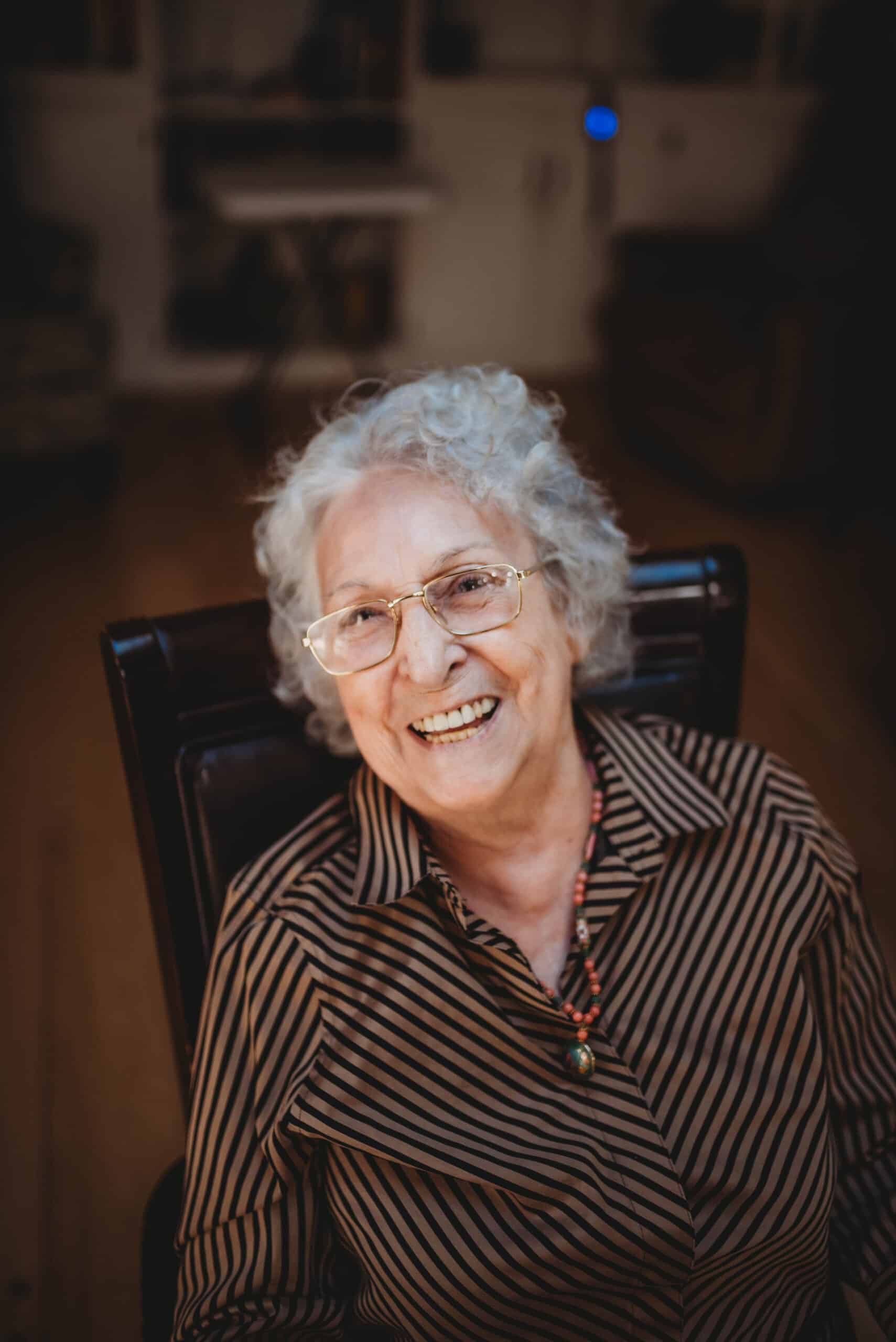
The seasons of smiling and snapping are upon us, as friends and family gather with cameras. This year, why not challenge yourself to capture brilliant photos of your family’s elders? Create precious heirlooms by photographing the older adults in your clan.
Below are our top 10 tips for making your silver-haired loved ones shine. (They’ll make everyone else sparkle, too!)
1. Picture Them in the Moment
Do you remember the first year you lived away from home? When you returned for the holidays, you hoped everyone would notice you’d changed.
Now it’s your turn to notice the changes in others. When photographing older adults, focus on who they are now – not who they used to be.
How does Mom enjoy spending her time? What makes her smile? If you want a great photo, center it on what brings her joy now.
The seasons of smiling and snapping are upon us, as friends and family gather with cameras. This year, why not challenge yourself to capture brilliant photos of your family’s elders? Create precious heirlooms by photographing the older adults in your clan.
Below are our top 10 tips for making your silver-haired loved ones shine. (They’ll make everyone else sparkle, too!)
1. Picture Them in the Moment
Do you remember the first year you lived away from home? When you returned for the holidays, you hoped everyone would notice you’d changed.
Now it’s your turn to notice the changes in others. When photographing older adults, focus on who they are now – not who they used to be.
How does Mom enjoy spending her time? What makes her smile? If you want a great photo, center it on what brings her joy now.
Snap a shot as she spoils her dog or gets silly with the grandchildren. Capture her glee or orneriness.
2. Put Away the “Cheese” and Put Them at Ease
Most of us are guilty of forcing our families into staged holiday photos. We nag, cajole and force loved ones to stand still for far too long. Or, worse yet, our flash suddenly pops into their faces. It’s no wonder we end up with photos full of squints, wiggles and grimaces!
Instead, treat your subject like a pro athlete. Let them warm up, especially when you’re photographing older adults with dementia. Join Mom while she sets the table, fills the bird feeders or works on a puzzle. Keep the conversation light to help her relax and watch for a genuine smile.
THEN it’s time to bring out the camera.
3. Stand Back — But Let the Camera Move In
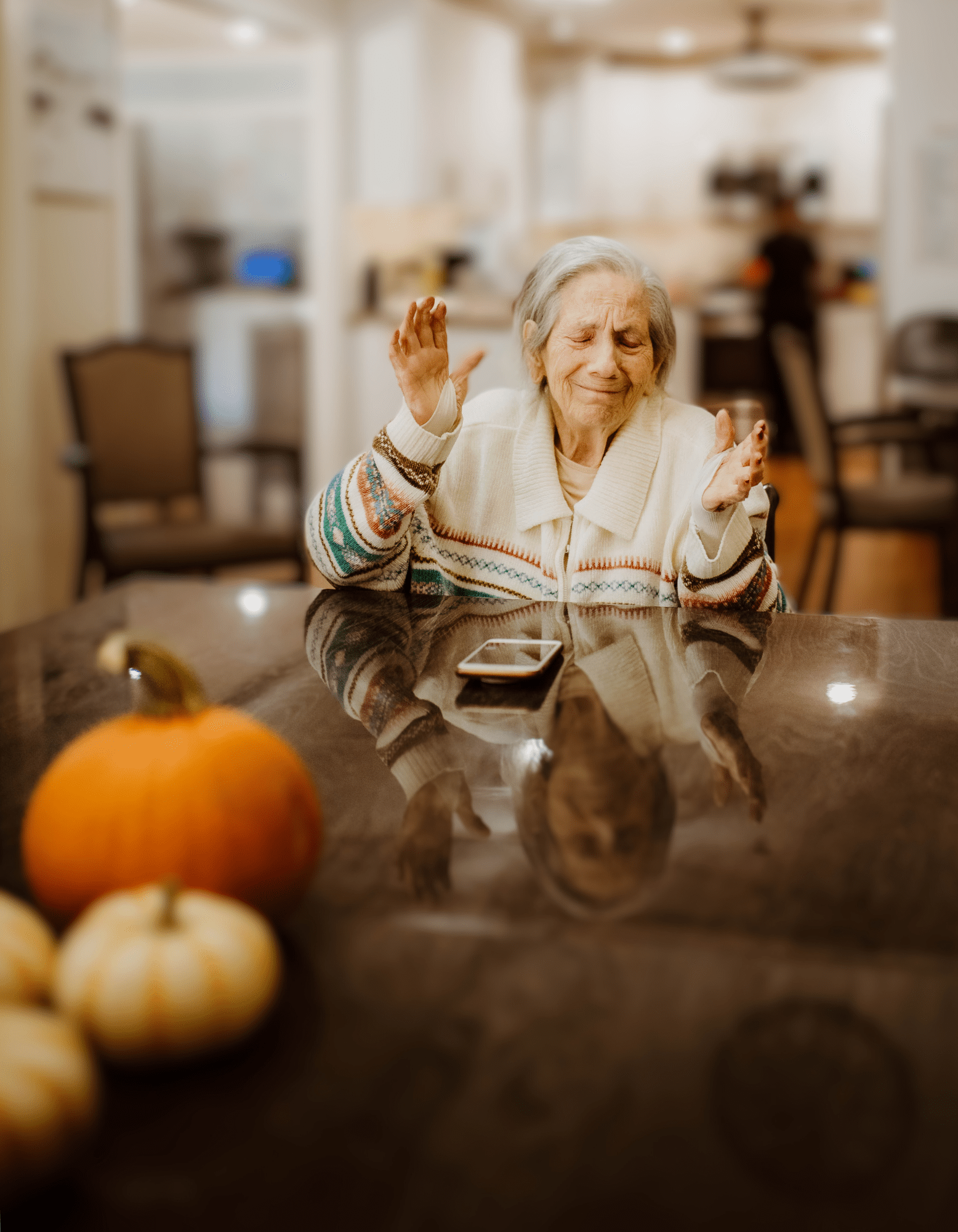
We’re tempted to get EVERYTHING in the picture: the people, table setting, holiday decorations – even the snow on the ground outside. Unfortunately, that usually creates a lousy photo.
Instead, focus on one subject in each photo: a person, the tree or a skillfully arranged and posed group. If you hope to capture many things, then take many carefully composed photos.
Ideally, your subject should fill the frame
Would you like to capture Mom’s smile? Concentrate on her face. Pull back to catch her body swaying to the music. If you’d like a sweet shot of her reading to the grandchildren, then zoom in on this intimate grouping.
Blur the background to draw attention to your subject
Not long ago, that required an expensive camera and an understanding of depth of field. Today, it’s as simple as using portrait mode on your phone.
We’re tempted to get EVERYTHING in the picture: the people, table setting, holiday decorations – even the snow on the ground outside. Unfortunately, that usually creates a lousy photo.
Instead, focus on one subject in each photo: a person, the tree or a skillfully arranged and posed group. If you hope to capture many things, then take many carefully composed photos.
Ideally, your subject should fill the frame
Would you like to capture Mom’s smile? Concentrate on her face. Pull back to catch her body swaying to the music. If you’d like a sweet shot of her reading to the grandchildren, then zoom in on this intimate grouping.
Blur the background to draw attention to your subject
Not long ago, that required an expensive camera and an understanding of depth of field. Today, it’s as simple as using portrait mode on your phone.
4. Turn the Spotlight on Her
A great director sets the stage to draw attention to one actor or a small group, removing all distractions.
Make sure Mom plays the featured role in your photo, too. Check the background.
- Does it make her look small, frail or unimportant, or do objects appear to be sticking out from her head?
- If dirty dishes, cords and clutter surround her, are you taking a picture of a person or a mess?
- If Mom’s wheelchair or walker appears in your picture, consider adjusting your angle to make it less prominent.
In other words, move yourself or your camera to capture Mom’s essence and minimize anything that detracts from that.
5. Make Sure They Shine
“I want to be caught in an unflattering ambush photo on the front page of a tabloid,” said no one ever.
Avoid taking unflattering pictures of others. To paraphrase the Golden Rule: only take photos of others that you want them to take of you.
It might seem harmless to photograph Mom in a misty-eyed moment. But if she’s always been proud of her appearance, is it really fair to capture her with smeared lipstick?
Be kind. Honor her spirit. When photographing older adults, see that they look their best.
6. Keep Shooting Till You Capture the Twinkle
Like the rest of us, some seniors are hams. Others freeze up in front of a camera.
If Mom regularly flashes a fabulous smile, by all means, have her strike a pose. Otherwise, catch her in action, doing whatever makes her happy.
Frame a picture worth taking. Focus on the smile Mom exchanges with her grandbaby, or zoom in to show her absorbed in a puzzle. Capture her far-away gaze in the garden and her delight at joining the sing-along with a tambourine.
7. Catch the Light
Photography is the capture of light on film or in digital memory. Therefore, you can’t take a good picture in the wrong light. Too little results in a dark, dull blur — too much washes away color and details.
Handled correctly, intense light creates a distinctive portrait. More often, the results are downright scary. It highlights every blemish, bald spot or wrinkle and casts dark shadows. As an amateur photographer, consider starting with soft lighting.
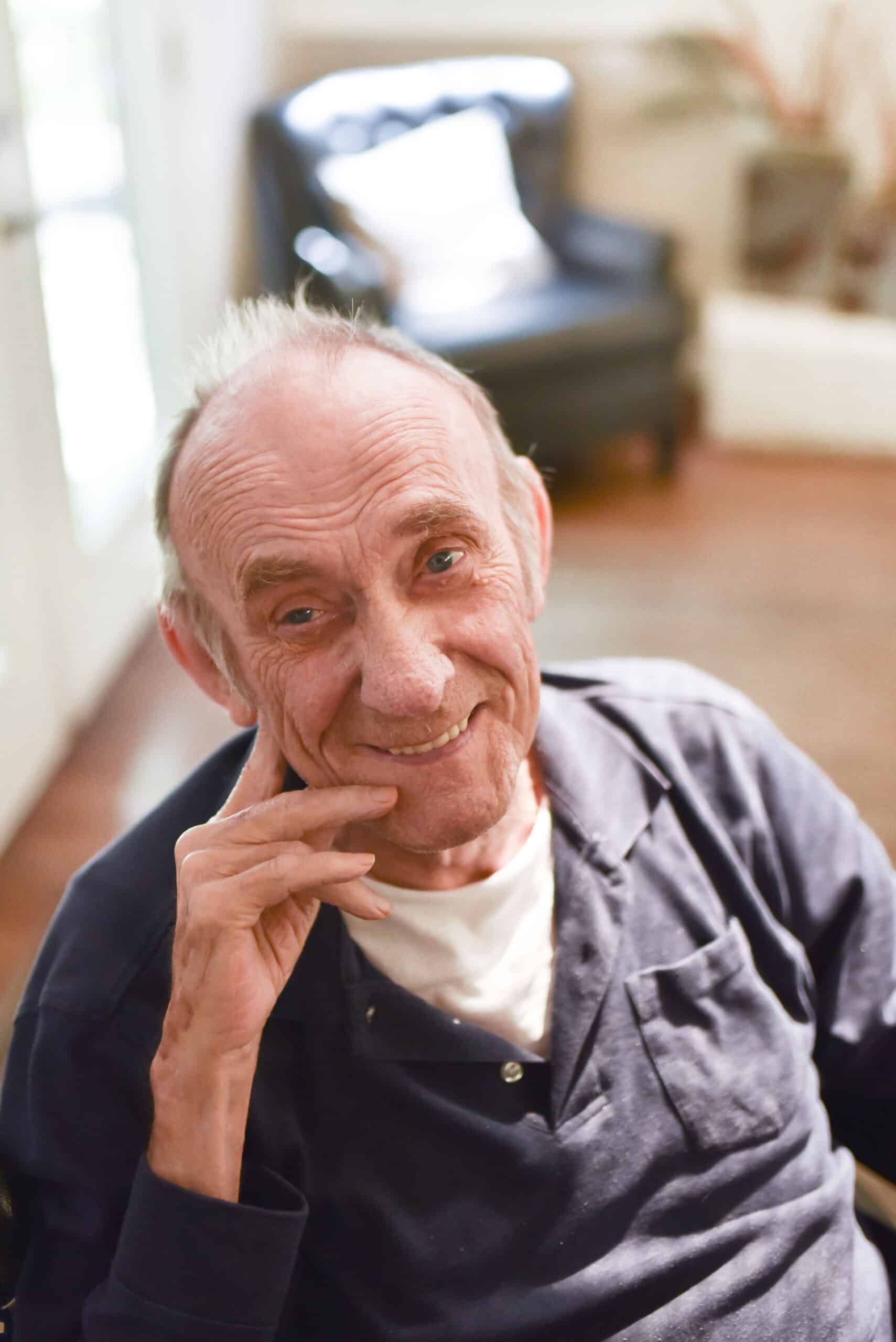
Like the rest of us, some seniors are hams. Others freeze up in front of a camera.
If Mom regularly flashes a fabulous smile, by all means, have her strike a pose. Otherwise, catch her in action, doing whatever makes her happy.
Frame a picture worth taking. Focus on the smile Mom exchanges with her grandbaby, or zoom in to show her absorbed in a puzzle. Capture her far-away gaze in the garden and her delight at joining the sing-along with a tambourine.
7. Catch the Light
Photography is the capture of light on film or in digital memory. Therefore, you can’t take a good picture in the wrong light. Too little results in a dark, dull blur — too much washes away color and details.
Handled correctly, intense light creates a distinctive portrait. More often, the results are downright scary. It highlights every blemish, bald spot or wrinkle and casts dark shadows. As an amateur photographer, consider starting with soft lighting.
Photographing Older Adults Outdoors
When outside, try to avoid the fierce mid-day sun. It’s better to take photos in the early morning or evening when the light isn’t glaring from overhead. If you have an early-afternoon event, then take your pictures under an overhang or in light shade.
Taking Pictures of Seniors Indoors
During daylight hours, open the blinds and let the sun shine on Mom’s face.
WARNING: Never use a window as Mom’s backdrop. Camera lenses are designed to adjust for the brightest light. So if it’s sunny outside, the camera works to make the most of the window and the scene just beyond it. As a result, Mom becomes a dark shadow in the foreground.
How do you prevent that?
- Move between Mom and the window so the sun shines on the side of her face (careful that you’re not casting a shadow on her) OR
- Place a lamp next to her.
As a last resort, you can use your flash to balance the light.
At night or on dark days, indoor photos require lots of light. However, avoid harsh overhead lighting, especially fluorescent fixtures, as they can cast a green tint on your photos. Instead, use plenty of soft lamps. Try using a desk lamp to bounce light upward, off the ceiling and onto your subject.
About low-light action shots:
When it’s dark, the camera lens stays open longer to capture more light. If someone moves or your hand shakes, then the lens will catch that, too – with a blur.
- Use your flash or a faster shutter speed.
- Stay close to your subject so that any flash illuminates everything in the frame.
- Steady yourself as you prepare to take the photo, then take a deep breath and hold still as the camera completes its “click.”

As a last resort, you can use your flash to balance the light.
At night or on dark days, indoor photos require lots of light. However, avoid harsh overhead lighting, especially fluorescent fixtures, as they can cast a green tint on your photos. Instead, use plenty of soft lamps. Try using a desk lamp to bounce light upward, off the ceiling and onto your subject.
About low-light action shots:
When it’s dark, the camera lens stays open longer to capture more light. If someone moves or your hand shakes, then the lens will catch that, too – with a blur.
- Use your flash or a faster shutter speed.
- Stay close to your subject so that any flash illuminates everything in the frame.
- Steady yourself as you prepare to take the photo, then take a deep breath and hold still as the camera completes its “click.”
8. Capture Color – or Contrast
Long ago, a photographer had to choose between color and black-and-white film. Today’s digital cameras shoot both. Editing programs let us change the colors long after we shoot.
So take a look at your favorite photos with different filters. (We’re talking about the filters in photo editing programs, not apps that add sparkles or cartoon effects.)
Colors create a mood, make a statement or express someone’s personality, which is critical when photographing seniors. For example, Aunt Mabel shows her spunk by donning her shiny purple warm-up suit and silver sneakers.
A monochromatic scheme focuses our attention on shapes, lighting and textures. If too many colors distract the eye from a photograph’s essential elements, consider black-and-white. Remember, though, that the most appealing black-and-white pictures are not grey but instead feature a contrast between light and dark spaces.
9. Count on Correct – Not Autocorrect
It’s fun to experiment with colors and filters. Don’t, however, take bad pictures and expect to save them with photo editing.
In the beginning, concentrate on getting the lighting and framing right. That results in a much sharper photo than heavy cropping and enhancement.
10. Take More Pictures!
Another advantage of digital photography is the ability to experiment for free.
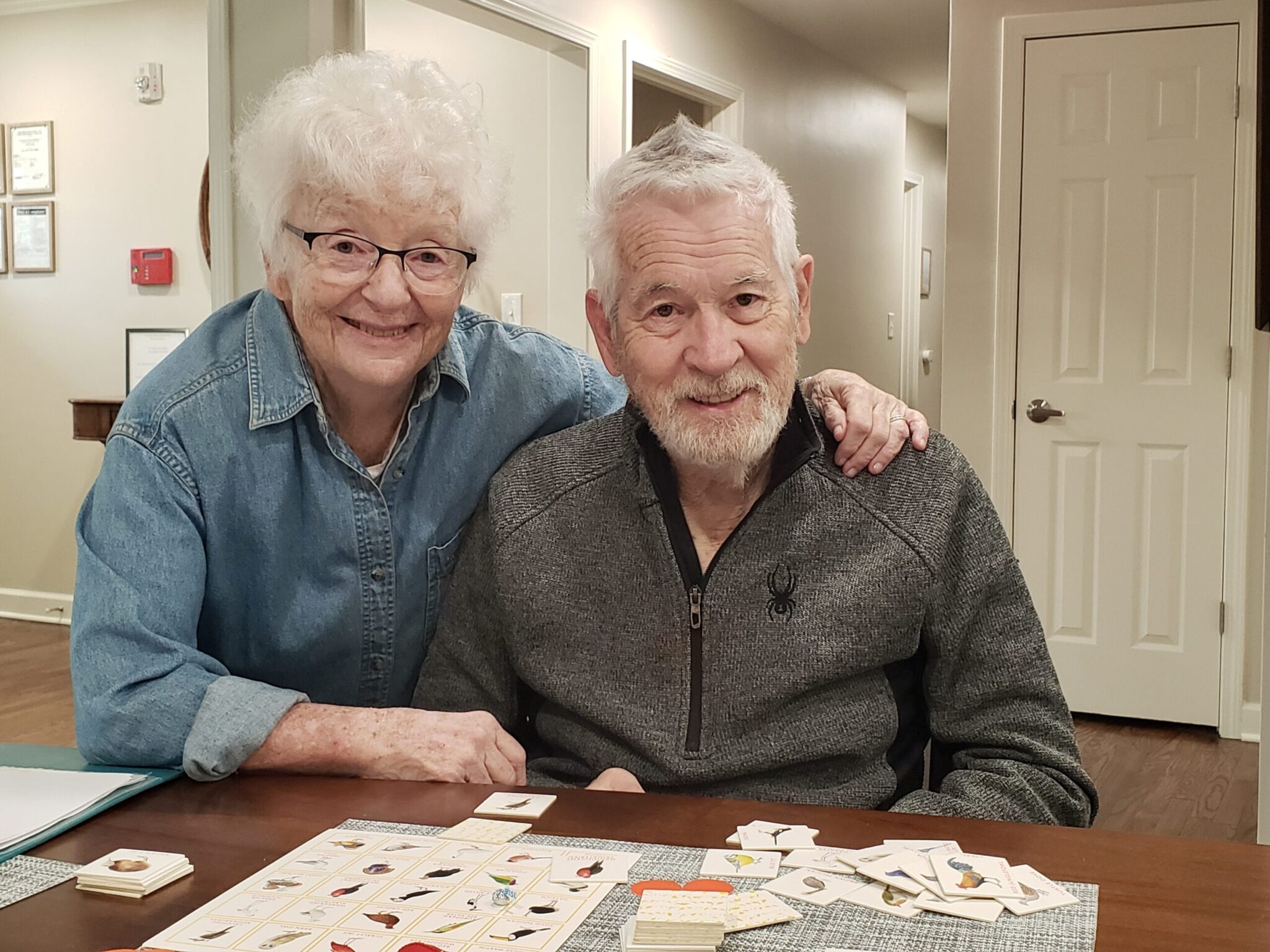
- Take plenty of quick shots. Take even more when you’re shooting action or large groups. You may be surprised how many photos you’ll delete because someone blinked or leaned out of the frame.
- Move quickly, especially if you’re asking people to pose. Irritated, tired or bored subjects stop smiling.
- Once you’ve finished, choose your best photos and delete the rest.
- Share your masterpiece with the family. (Browse sites like Shutterfly and Mpix for creative photo gift ideas.)
- Take plenty of quick shots. Take even more when you’re shooting action or large groups. You may be surprised how many photos you’ll delete because someone blinked or leaned out of the frame.
- Move quickly, especially if you’re asking people to pose. Irritated, tired or bored subjects stop smiling.
- Once you’ve finished, choose your best photos and delete the rest.
- Share your masterpiece with the family. (Browse sites like Shutterfly and Mpix for creative photo gift ideas.)
NOTES ON SHARING PHOTOS:
Get permission before sharing a person’s image. That’s especially important when photographing older adults in health care, memory care or assisted living settings. Privacy laws such as HIPAA may apply. If a person has dementia or can’t make decisions for themselves, get approval from someone with legal authority to speak on their behalf. If you’re not a close friend or family member, obtain permission from the health care or senior living facility operator as well.


 Business Office